Hello, I'm
Adil Khan
A Cloud Engineer
What I do

I began in accounting, where precision, documentation, and risk awareness mattered daily. That foundation naturally led me into cloud infrastructure and security.
I now build and test AWS security controls across IAM, CloudTrail, CloudWatch, S3, and encryption — focusing on why protections fail in real environments, not just how they’re configured.
My work includes auditing IAM policies, testing privilege-escalation scenarios, and building reusable monitoring pipelines that improve cloud visibility and reduce configuration risks.
I bring a build–break–fix mindset valued by security teams and clients who need practical risk reduction, clean design, and systems that actually work under pressure.
My Creative Works


This project implements a reusable AWS threat detection engine designed to identify high-impact control-plane security issues caused by misconfigured permissions. The initial focus is on detecting IAM privilege escalation scenarios where overly permissive users attach full administrative access, a common and critical risk in real AWS environments.
Rather than creating a one-off alert, I designed an end-to-end detection pipeline using CloudTrail, CloudWatch Logs, metric filters, alarms, and notifications that can be extended to other security scenarios with minimal changes. The project emphasizes understanding how detection systems fail in practice—debugging regions, log formats, metric dimensions, and alarm behavior—to ensure alerts are reliable, verifiable, and grounded in real system behavior.
This project focuses on building a SOC telemetry pipeline across isolated AWS VPCs, a common enterprise architecture where monitoring infrastructure and production systems cannot directly communicate. The goal was to restore reliable endpoint visibility when network segmentation, routing, and access controls prevent security data from reaching the SIEM.
The central challenge was a complete telemetry failure caused by VPC isolation between the SIEM platform and monitored endpoints. I diagnosed the issue at the network layer and resolved it by designing private VPC peering, updating route tables, tightening security groups, and reconfiguring agents to use private communication paths. This restored end-to-end visibility without exposing services to the public internet and validated how network design directly impacts SOC effectiveness.

This project focuses on designing and deploying a secure static website on AWS using S3 and CloudFront, with security controls applied from the start rather than added later. The goal is to understand how content delivery, access control, and edge security work together to protect publicly accessible web applications.
The build emphasizes correct bucket permissions, IAM policy boundaries, HTTPS enforcement, and AWS WAF protections against common web attacks. A CI/CD workflow using GitHub Actions will be added to safely automate deployments. This project is being developed with a security-first mindset, focusing on reducing exposure while keeping the architecture simple and maintainable.


Containerized a static web application using Docker and deployed it on a Kubernetes (Minikube) cluster to understand real-world container orchestration and deployment workflows.
The application runs inside an Nginx container and is exposed via a Kubernetes NodePort Service, demonstrating service routing, deployment lifecycle management, and practical debugging of containerized applications.
This project strengthened my hands-on experience with Docker image creation, Kubernetes deployments, service networking, and cloud-native DevOps fundamentals.
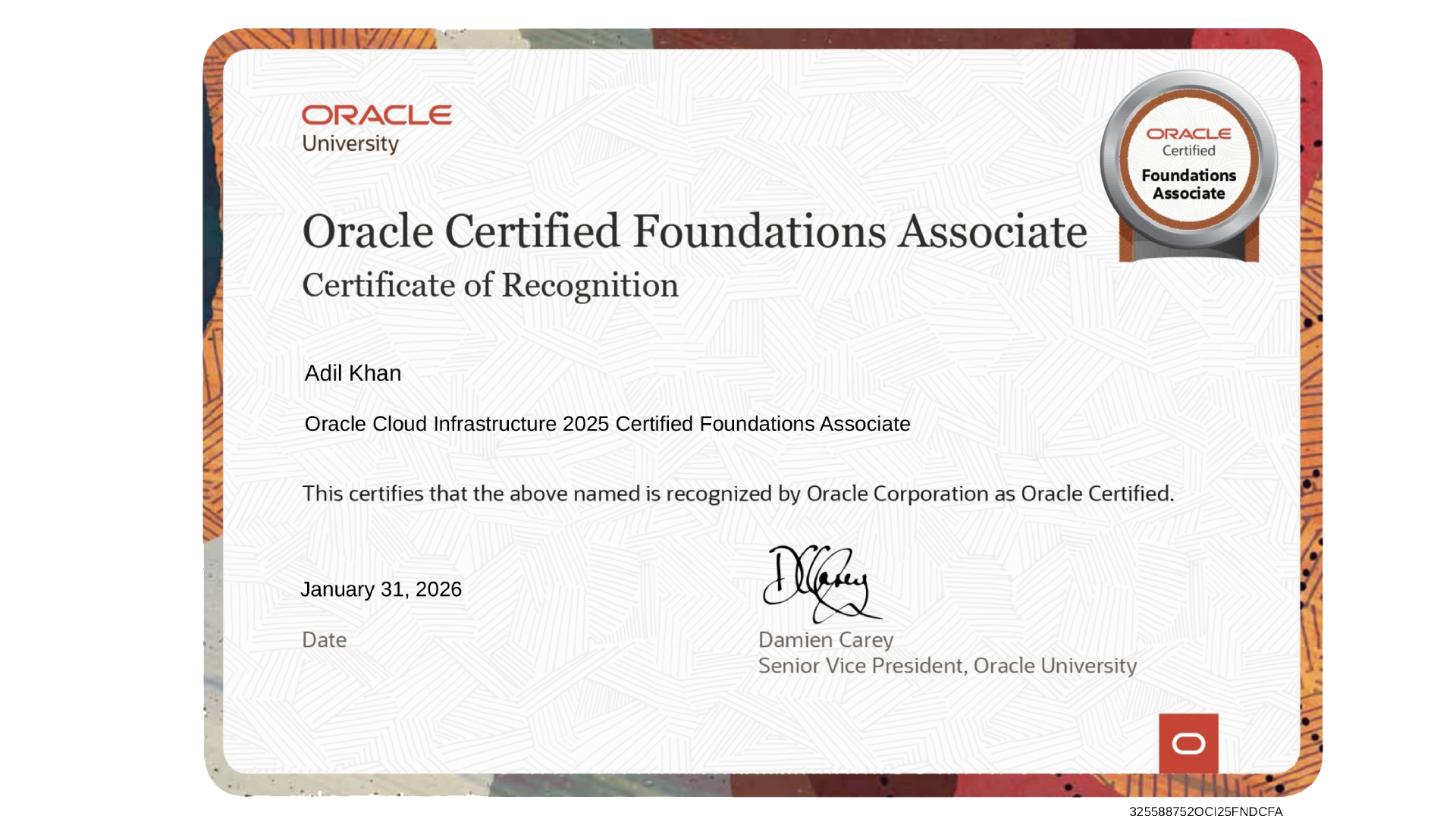
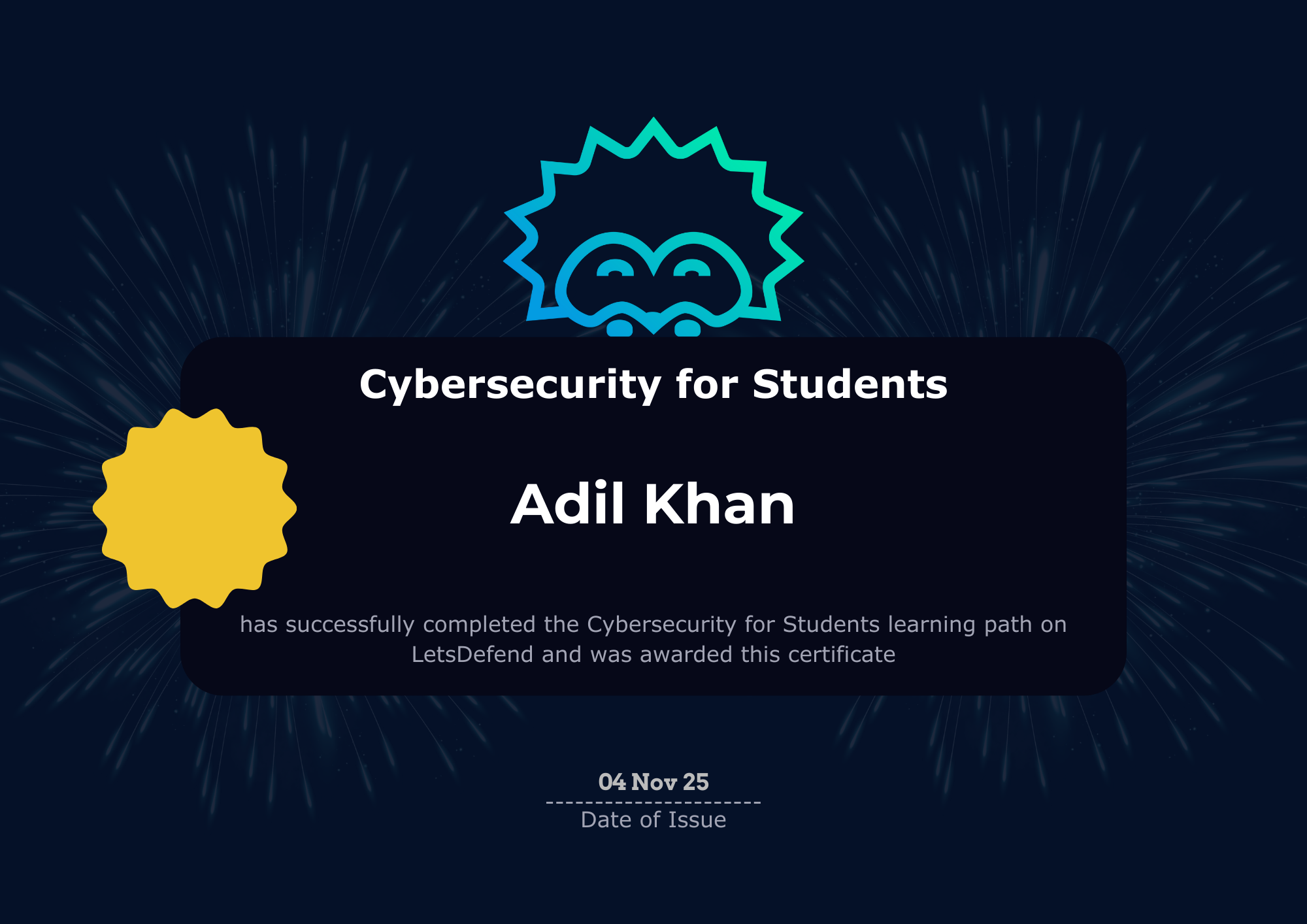
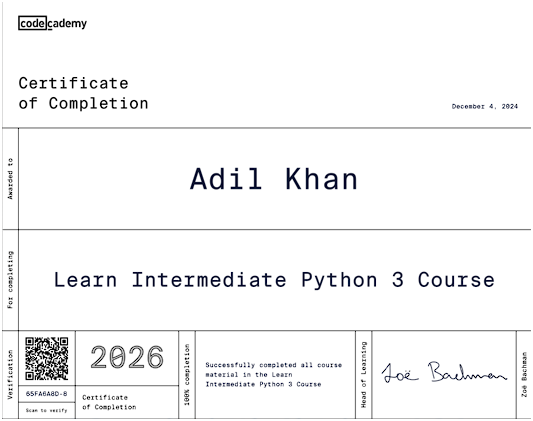
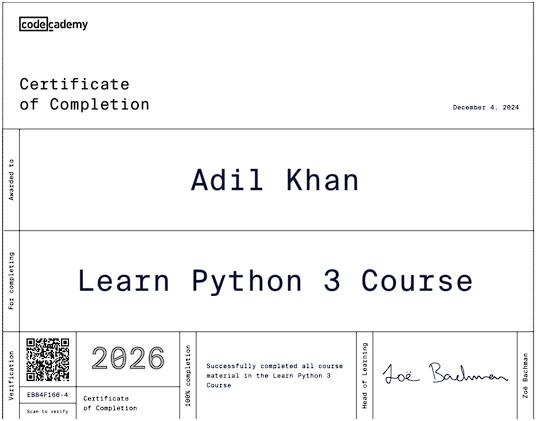
Professional Certifications